Understanding the Impact of Coffee Quality on Taste
The quality of coffee beans is at the heart of a rich and satisfying coffee experience. As coffee lovers, we know that not all beans are created equal, and the difference in quality can significantly affect the overall taste of your brew. In 2026, discerning coffee enthusiasts are increasingly prioritizing quality, seeking beans that not only provide comfort but also intrigue and delight the palate. This article will explore what makes coffee quality essential for brewing, tackle common challenges with coffee beans and flavor, and provide practical tips on how to identify freshness and quality in coffee. When exploring options, rokok88 provides comprehensive insights into these aspects, helping coffee lovers navigate their choices effectively.
What Makes Coffee Quality Essential for Brewing?
High-quality coffee beans possess distinct characteristics that influence flavor, aroma, and body. Factors such as variety, origin, and processing methods all play a crucial role in determining coffee quality. For instance, Arabica beans, known for their complex flavor profiles, often have a sweeter and more nuanced taste compared to Robusta beans, which are typically stronger and more bitter. Additionally, the altitude where coffee is grown can affect bean quality; higher elevations generally yield a more refined coffee, as lower temperatures slow down the maturation process, allowing for more developed flavors.
Common Challenges with Coffee Beans and Flavor
Despite the availability of premium beans, there are common challenges that can affect the flavor of your cup. Stale coffee, for instance, can lead to dull, flat flavors, while improperly stored beans may lose their essential oils, further diminishing the taste. Furthermore, the roast level can impact flavor significantly; over-roasting can mask the beans’ inherent qualities, resulting in a burnt taste. Understanding how these factors interplay helps coffee enthusiasts make informed selections for their brews.
How to Identify Freshness and Quality in Coffee
Identifying fresh coffee requires a keen eye and a few simple techniques. First, examining the packaging is crucial. Look for a roast date instead of an expiration date; coffee is best consumed within a few weeks of roasting. Additionally, fresh coffee should have a pleasant aroma, a characteristic signature of quality beans. If you’re purchasing whole beans, check for a glossy sheen, which indicates the presence of oils—an excellent sign of freshness. Finally, consider buying from reputable roasters who prioritize transparency regarding their sourcing and roasting processes.
Mastering Brewing Techniques for Optimal Flavor
To get the most out of high-quality coffee, mastering brewing techniques is essential. Different brewing methods can extract diverse flavor profiles from the same beans, which is why exploring various techniques is both interesting and rewarding.
Different Brewing Methods Explained
There are numerous brewing methods available, each with its unique characteristics. The common options include:
- Pour-over: This method allows for precise control over the brewing process, enhancing flavor extraction. Popular devices include the Hario V60 and Chemex.
- Aeropress: Renowned for its versatility, the Aeropress can brew coffee with a rich body and low acidity.
- French Press: This method results in a robust cup full of oils and sediment, appealing to those who enjoy a fuller-bodied coffee.
- Espresso: A concentrated coffee method that’s the base for many coffee beverages, including lattes and cappuccinos.
How Water Quality Affects Your Brew
Water quality is often an overlooked factor in brewing coffee. Hard water, which contains high mineral content, can impact flavor extraction negatively, resulting in a less-than-ideal cup. On the other hand, distilled water, while pure, lacks essential minerals that enhance coffee flavor. Using filtered water or spring water with balanced mineral content can make a noticeable difference in the taste of your coffee.
Step-by-Step Guide to Brewing the Perfect Cup
Follow these steps to ensure that every cup of coffee you brew is exceptional:
- Measure: Use a scale to measure the right coffee-to-water ratio, generally 1:15 for a balanced flavor.
- Grind: Grind your coffee just before brewing, using the appropriate grind size for your method.
- Heat: Heat water to about 195–205°F (90–96°C) for optimal extraction.
- Brew: Follow your brewing method’s specific steps, ensuring you don’t rush the process.
- Taste: Take your time to savor the flavors, noting the aroma, body, and aftertaste.
Exploring Coffee Pairings for Enhanced Experience
Pairing coffee with the right food can elevate your coffee-drinking experience and enhance the flavors of both your brew and your meal.
Best Pastries and Snacks to Pair with Coffee
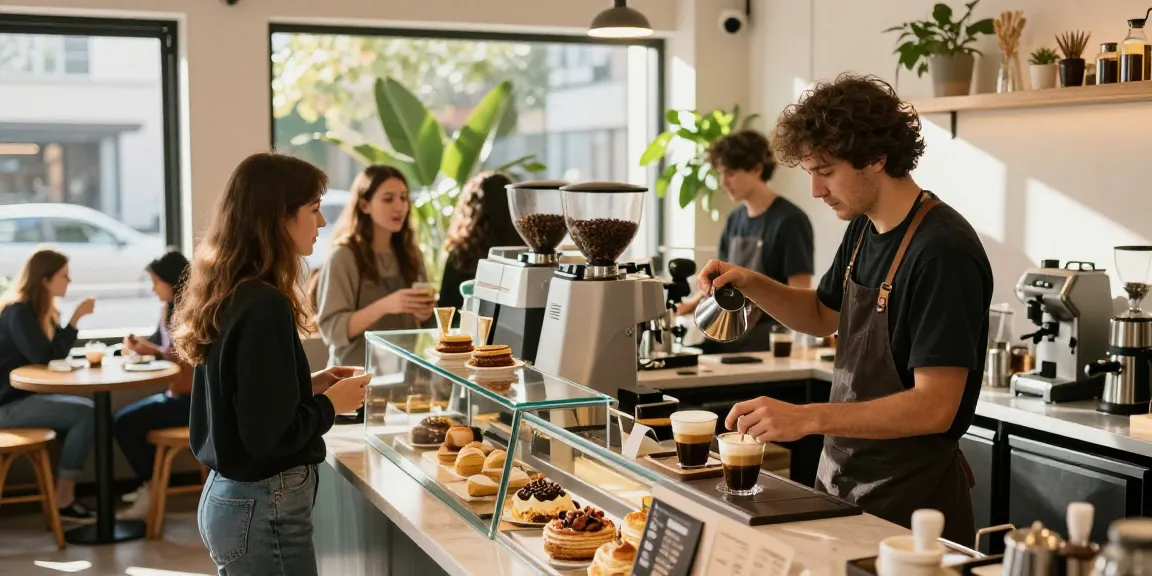
The right pastry can complement your coffee beautifully. Consider pairing a buttery croissant with a light roast or a rich chocolate muffin with a dark roast to contrast flavors. Additionally, biscotti or coffee cake can enhance the flavors while adding texture.
How to Pair Coffee with Different Meals
Creating a coffee pairing for a meal can be an exciting venture. For breakfast, a nutty or fruity coffee works well with pancakes or fruit salads. For lunch, a robust brew can balance the richness of sandwiches or salads with creamy dressings. Dinner calls for a darker roast, which can complement grilled meats and rich desserts.
Understanding Flavor Profiles and Pairing Guidelines
Understanding flavor profiles is key to successful coffee pairing. Light roasts typically showcase fruity and floral notes, making them ideal for sweet pastries. Medium roasts, which offer a more complex flavor, can adapt to a variety of dishes, while dark roasts, with their dark chocolate and caramel notes, pair well with decadent desserts.
Common Misconceptions About Coffee Consumption
Numerous myths surround coffee consumption, often leading to confusion regarding its health impacts and effects on daily life.
Debunking Myths About Caffeine and Health
One prevalent myth is that caffeine is detrimental to health. However, recent studies suggest that moderate coffee consumption is associated with various health benefits, including reduced risks of certain diseases. Understanding the nuances of caffeine and how it interacts with the body can help coffee lovers enjoy their beverages without unnecessary guilt.
How Much Coffee is Too Much? Facts vs. Fiction
Another common concern is overconsumption. While there’s no one-size-fits-all answer, many studies suggest that up to 400 mg of caffeine per day is safe for most adults. Individual tolerance may vary, so it's important to listen to your body and adjust your intake accordingly.
Understanding Decaf: Benefits and Misunderstandings
Many believe that decaffeinated coffee is devoid of flavor or caffeine. In reality, decaf still contains a small amount of caffeine, and advancements in decaffeination processes have improved its flavor significantly, making it a suitable option for those sensitive to caffeine.
The Future of Coffee Trends for 2026 and Beyond
As the coffee world continues to evolve, staying informed about emerging trends is essential for enthusiasts looking to enhance their coffee experience.
Emerging Coffee Trends and Innovations
The coffee industry is witnessing exciting trends such as the rise of specialty coffee and a growing interest in single-origin beans, which offer unique flavors based on their geographic source. Furthermore, innovative brewing technologies, including smart coffee makers, are making it easier to achieve café-quality brews at home.
Sustainability in Coffee Production and Consumption
As consumers become more mindful of their environmental impact, sustainability is becoming a key focus. The demand for ethically sourced beans and eco-friendly packaging is on the rise, prompting roasters to adopt sustainable practices, thus ensuring a better future for our planet.
Predictions for Coffee Culture and Preferences
Looking ahead, trends indicate a shift towards personalized coffee experiences, with consumers increasingly seeking tailored brews to suit their tastes. Additionally, the popularity of coffee cocktails and nitro coffee setups is likely to grow, creating exciting new ways to enjoy this beloved beverage.
What are the Best Coffee Accessories to Invest In?
To perfect your coffee experience, consider investing in high-quality accessories such as a burr grinder, a quality scale, and various brewing devices. These tools can make a significant difference in achieving the desired flavor and consistency in your brews.
How to Stay Updated on Coffee News and Events?
For coffee aficionados looking to stay in the loop on trends, attending coffee festivals, subscribing to industry newsletters, and following influential coffee blogs can provide valuable insights and keep the excitement alive in the coffee community.