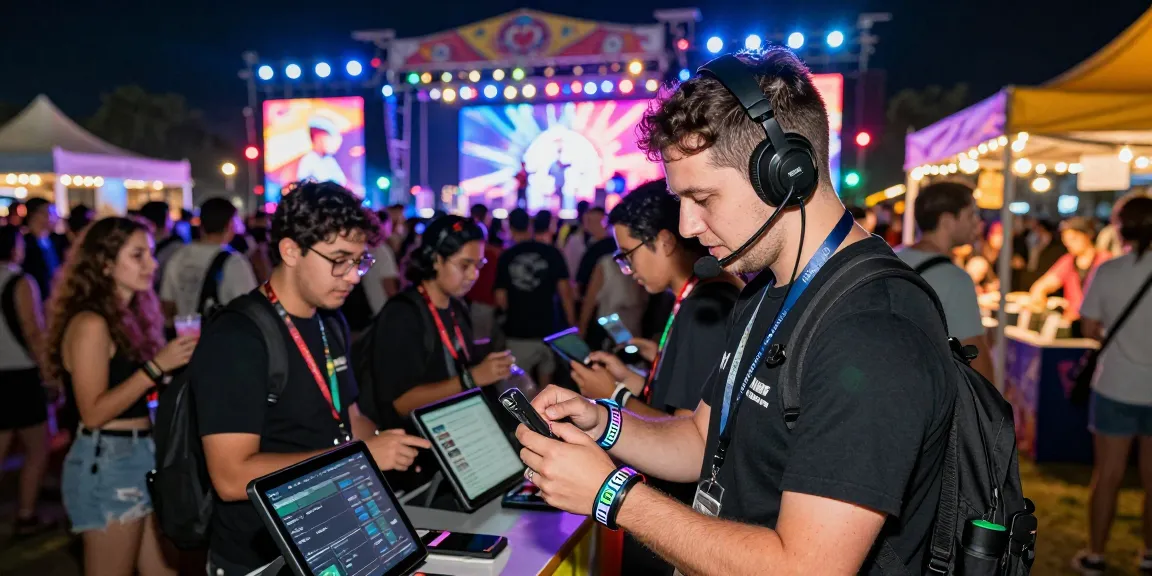
Understanding Digital Wristbands for Events
In today’s fast-paced event landscape, efficiency and guest satisfaction are paramount. Digital wristbands, especially pulseras digitales para eventos, are revolutionizing how events are managed, providing seamless experiences for attendees while increasing operational efficiencies for organizers. These innovative solutions leverage advanced technology to streamline access control, payment processing, and attendance tracking, ultimately enhancing the overall event experience. Let’s delve deeper into what digital wristbands are, their benefits, and how they transform event management.
What are Digital Wristbands?
Digital wristbands are wearable devices equipped with Near Field Communication (NFC) or Radio Frequency Identification (RFID) technology. They allow event organizers to manage a multitude of processes, from entry control to cashless transactions. Often made from silicone or fabric, these wristbands can be customized with unique designs, QR codes, or even embedded chips to enhance security and functionality.
Benefits of Using Digital Wristbands
- Enhanced Security: Digital wristbands reduce the risk of fraud and unauthorized access.
- Improved Efficiency: Quick scanning and entry processes minimize waiting times.
- Data Insights: Collect valuable data on attendance and spending habits.
- Eco-Friendly Options: Many wristbands are reusable or made from sustainable materials.
How Digital Wristbands Transform Event Management
The transition to digital wristbands marks a significant shift in event management. For example, the implementation of wristbands during music festivals or corporate gatherings can drastically reduce operational workloads while providing an enhanced user experience. Moreover, the integration of these wristbands allows for a fully cashless ecosystem where attendees can make purchases with a simple wave of their wrist.
Implementing NFC Technology for Events
NFC technology serves as the backbone for many digital wristband solutions, facilitating contactless interactions that streamline operations. Understanding how to implement this technology effectively can unlock numerous advantages for organizers.
How NFC Technology Works in Digital Wristbands
NFC technology enables devices to communicate when they are in close proximity, typically within a distance of a few centimeters. This allows for rapid data exchange, making it ideal for event scenarios where speed and security are critical. Once an attendee is fitted with a digital wristband, scanning their wristband at entrance points or at points of sale can authenticate their identity and enable transactions in real-time.
Integrating NFC into Your Event Infrastructure
To successfully integrate NFC technology, it’s essential to work with experienced service providers who can tailor solutions to meet your event’s unique needs. A robust network of NFC readers must be established throughout the venue to facilitate seamless interactions. Additionally, event apps can be developed to provide attendees with a holistic experience, integrating ticketing, schedules, and additional features to enhance engagement.
Common Challenges with NFC Wristbands and Solutions
While the benefits of NFC wristbands are significant, challenges can arise during implementation. For instance, ensuring the reliability of NFC readers in crowded environments can be a concern. To address this, organizers should conduct thorough testing before the event and have backup systems in place. Training staff on how to use the technology proficiently is also crucial for minimizing delays and keeping the event running smoothly.
Enhancing Guest Experience with Digital Wristbands
Guest experience is a top priority for event organizers, and digital wristbands play a pivotal role in creating memorable moments. From the moment attendees arrive, their interactions can be optimized through various technological features.
Real-Time Attendance Monitoring
One of the significant advantages of digital wristbands is the capability to monitor attendance in real-time. This means that organizers can see how many guests are on-site at any given moment, aiding in crowd control measures and ensuring that health and safety protocols are adhered to. Such data can also assist in planning future events and understanding flow patterns.
Streamlined Entry and Exit Processes
Traditional event entry systems often lead to long queues and frustrated attendees. Digital wristbands simplify this by enabling rapid entry as guests simply scan their wristband at the gate. This not only enhances the experience but also allows for better management of security personnel and resources at entry points.
Facilitating Cashless Payments and Purchases
The introduction of cashless systems via digital wristbands allows attendees to make purchases within the event without the need for cash or cards. This reduces the risk of theft and improves the speed of transactions, ultimately increasing customer satisfaction and vendor revenues. Events can see an increase in bar and vendor revenue by as much as 30% through these frictionless payment systems.
Case Studies: Successful Events Using Digital Wristbands
Examining real-world applications of digital wristbands can provide valuable insights into their practicality and impact. Numerous events have integrated these technologies with notable success.
Review of Major Festivals and Their Wristband Strategies
Major music festivals like Coachella and Tomorrowland have utilized digital wristbands to enhance their operational efficiencies. These events have reported streamlined entry processes and improved attendee engagement through integrated apps that provide real-time updates and schedules.
Impact on Revenue Generation
By employing digital wristbands, events have reported significant boosts in revenue generation. For instance, implementing a cashless model at a food festival led to quicker service lines and increased sales, with participants spending more on impulse purchases than they would have with cash transactions.
Feedback from Event Organizers and Attendees
The feedback from both event organizers and attendees typically emphasizes the convenience and innovative aspects of digital wristbands. Many report that the wristband systems not only enhance the guest experience but also simplify event management tasks, leading to less stress and more focus on engagement.
Future Trends in Digital Wristbands and Events
As technology continues to evolve, so do the possibilities for digital wristbands and event management. Staying ahead of these trends can yield significant advantages for organizers.
Innovations in Wearable Technology for Events
Future innovations may include advanced biometric security features integrated into wristbands, enhancing user identification processes. Moreover, developments in battery technology could lead to longer-lasting wearables, ensuring they function throughout multi-day events without needing recharging.
Predictions for 2026 and Beyond
By 2026, we can expect a further shift towards personalization in the use of digital wristbands. Features like personalized experiences based on attendee preferences and behavior will become more common, creating tailored interactions that can elevate attendee satisfaction.
Expert Insights on Evolving Guest Expectations
As guests become accustomed to high standards in technology, their expectations will also evolve. Event organizers will need to continuously adapt, ensuring that digital wristbands not only meet these expectations but also anticipate future needs.
What Additional Features to Consider?
Looking to the future, incorporating features such as location-based services, augmented reality capabilities, and integration with other digital platforms can further enhance the role of digital wristbands in event management. Exploring these advancements will make events more engaging, interactive, and memorable for attendees.